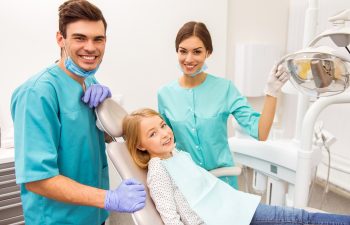
Your child watches your face when you talk about the dentist. They notice if your voice tightens, if you grimace when scheduling appointments, if you postpone your own visits. Children are remarkably perceptive, and they learn their attitudes about dental care primarily from observing the adults around them.
If you grew up dreading dental visits—or still dread them—you might worry about passing that fear to your children. The good news? Dental anxiety isn’t genetic. It’s learned. And what’s learned can be unlearned or, better yet, never taught in the first place.
At Active Dental, we see families across Dallas-Fort Worth navigating this exact challenge. Parents who want better for their kids than the white-knuckle dental experiences of their own childhood. The strategies that work aren’t complicated, but they do require intention.
Why Dental Anxiety Matters Beyond the Chair
Let’s be honest about the stakes. Dental anxiety isn’t just about uncomfortable appointments—it’s about long-term health consequences that compound over years.
Children who fear the dentist often become adults who avoid dental care. This avoidance leads to preventable problems: cavities that become root canals, gum disease that progresses unchecked, small issues that grow into expensive, painful situations. By the time anxious adults finally seek care, they often need more extensive treatment—which reinforces their belief that dental visits are inherently unpleasant.
Breaking this cycle early gives your child a gift that pays dividends for their entire life: the ability to maintain their oral health without emotional barriers.
The Words You Use Matter More Than You Think
Children absorb language like sponges, and the words surrounding dental care shape their expectations. Some common phrases inadvertently plant seeds of fear:
Phrases to Avoid:
- “It won’t hurt” — This introduces the concept of pain when it might not have occurred to them
- “Be brave” — Implies there’s something to fear that requires courage
- “If you don’t brush, you’ll need shots at the dentist” — Uses dental care as a threat or punishment
- “I hate going to the dentist” — Models avoidance and negativity
- “Just get through it” — Suggests endurance of something unpleasant
Better Alternatives:
- “The dentist helps keep your smile healthy and strong” — Frames visits positively
- “The dentist will count your teeth and make them sparkly clean” — Describes the experience accurately without dramatizing
- “I’m going for my checkup next week” — Models routine dental care as normal
- “The dentist is really good at making sure you’re comfortable” — Builds confidence in the provider
The shift is subtle but powerful. You’re not lying or minimizing—you’re framing dental care as the routine, positive experience it should be.
Start Earlier Than You Think Necessary
The American Academy of Pediatric Dentistry recommends first dental visits by age one or within six months of the first tooth appearing. This seems early—what could a dentist possibly do for a baby?
The answer: establish normalcy. These early visits are brief and simple. The dentist looks in your child’s mouth, perhaps counts emerging teeth, answers your questions about care. Nothing dramatic happens.
Your child experiences the dental office as a friendly, unremarkable place.
By the time they’re old enough to feel anxious, they already have a history of uneventful visits. The dental office feels familiar rather than threatening. They’ve built positive associations before negative ones had a chance to form.
At Active Dental, our family-friendly environments include children’s play areas and patient rooms designed to put young visitors at ease. We understand that these early impressions shape attitudes for years to come.
Let Them Watch You First
Before your child’s appointment, consider scheduling your own cleaning while they observe. Let them see you relaxed in the chair, chatting with the hygienist, leaving with a clean smile. Your calm demeanor teaches more than any explanation could.
If you genuinely struggle with dental anxiety yourself, this might feel like a tall order. But addressing your own discomfort—through open communication with your dentist, relaxation techniques, or even seeking practices known for gentle care—benefits both you and your child. Your dentist can work with you to create positive experiences that you’ll feel comfortable sharing with your kids.
Prepare Without Over-Preparing
There’s a balance between helpful preparation and anxiety-inducing over-explanation. Children generally need less preparation than parents assume.
Helpful preparation includes:
- Reading age-appropriate books about dental visits (there are many excellent ones)
- Playing “dentist” at home with a toothbrush and mirror
- Mentioning the upcoming visit casually a day or two beforehand
- Answering questions honestly but simply
Over-preparation looks like:
- Discussing the appointment repeatedly for weeks in advance
- Explaining every possible procedure in detail
- Rehearsing responses to potential discomfort
- Promising elaborate rewards for “getting through it”
The goal is matter-of-fact confidence. Dental visits are normal. Most kids handle them just fine. Your child probably will too.
What Happens When Fear Already Exists
Maybe you’re reading this after your child has already developed dental anxiety. Perhaps a difficult experience—a cavity that needed treatment, a rushed appointment, or even just accumulated worry—has created real fear. What then?
First, don’t catastrophize. Dental anxiety, even established anxiety, can be overcome. Many children who initially resist appointments eventually become comfortable patients with the right approach.
Strategies for anxious children:
- Acknowledge their feelings without reinforcing them: “I understand you feel nervous. A lot of kids do at first. The dentist knows how to help you feel comfortable.”
- Ask the dental office for accommodation: Let them know about your child’s anxiety before the appointment. Good pediatric-friendly practices have protocols for anxious patients.
- Start small: Sometimes a “meet and greet” visit—just coming to say hello, sitting in the chair, maybe getting a toothbrush—helps desensitize without the pressure of an actual appointment.
- Stay calm yourself: Your anxiety will amplify theirs. If you need to, practice relaxation techniques before the appointment.
- Consider timing: Schedule appointments when your child is well-rested and fed, not during typical nap times or when they’re already stressed.
- Celebrate genuine successes: Not bribes for compliance, but genuine recognition of growth. “You did great letting the dentist look at your teeth today. That takes trust.”
The Role of the Right Dental Practice
Not all dental environments are created equal for anxious children. Practices that prioritize family care understand that the experience matters as much as the clinical outcome.
Active Dental has built our five Dallas-Fort Worth locations with families in mind. Our offices feature children’s play areas, entertainment options in treatment rooms, and teams trained in working with young patients. We know that rushing an anxious child creates problems; taking time to build comfort creates lifelong patients.
Dr. Kalpesh Patel founded Active Dental with the understanding that dental care should feel straightforward and welcoming. That philosophy extends especially to our youngest patients, who are forming impressions that will last decades.
The Long Game
Your child’s relationship with dental care is a marathon, not a sprint. The goal isn’t perfect compliance at every appointment—it’s building a foundation of comfort that supports lifelong oral health.
Some visits will go better than others. Some days your child will be more cooperative than others. What matters is the overall trajectory: are they becoming more comfortable over time? Are they learning that dental care is routine rather than frightening?
With patience, the right approach, and a supportive dental team, most children develop healthy attitudes toward dental care. And when they do, they carry that comfort into adulthood—breaking the anxiety cycle for good.
Partner With Active Dental for Your Family’s Care
Whether you’re bringing a toddler for their first visit or helping an anxious older child overcome established fear, Active Dental is here to support your family. Our five convenient locations across Dallas-
Fort Worth—in Irving, Plano, Frisco, Flower Mound, and Prosper—offer family-friendly care with extended hours to fit busy schedules.
Contact us today to schedule appointments for your entire family:
Irving: (972) 556-0600
Plano: (972) 473-8880
Frisco: (469) 598-1055
Flower Mound: (469) 293-2220
Prosper: (469) 860-8791
Let’s work together to raise a generation of kids who see dental care as just another part of staying healthy—no fear required.
Posted on behalf of