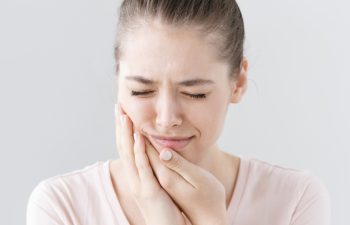
Summer vacation is finally here, and families across Dallas-Fort Worth are packing bags, booking flights, and counting down the days until their well-deserved getaways. Whether you’re heading to the beach, exploring a new city, or visiting relatives across the country, the last thing on your mind is a dental emergency. But toothaches, chipped teeth, and lost fillings don’t check your travel calendar before striking.
At Active Dental, Dr. Kalpesh Patel and our team help patients prepare for summer adventures every year. With over 2,000 five-star reviews from families throughout the DFW metroplex, we’ve seen firsthand how a little preparation can mean the difference between a minor inconvenience and a vacation-ruining emergency. Here’s what every traveler needs to know about protecting their smile on the road.
Why Dental Emergencies Spike During Summer Travel
Travel creates the perfect conditions for dental problems to emerge. Understanding why emergencies happen more frequently during vacations helps you take steps to prevent them.
Disrupted routines: At home, brushing and flossing happen almost automatically. On vacation, late nights, early mornings, and unfamiliar surroundings can throw your oral hygiene routine completely off track. Even a few days of inconsistent care can trigger problems in teeth that were already compromised.
Dietary changes: Vacation eating looks nothing like normal eating. Sugary drinks by the pool, sticky snacks on road trips, ice cream every afternoon, and acidic foods at new restaurants all create an environment where bacteria thrive. Add in the tendency to graze throughout the day rather than eating distinct meals, and your teeth face constant acid attacks.
Physical activities: Summer adventures often include activities you don’t do at home—swimming, hiking, water sports, playing beach volleyball, or trying new experiences. These activities increase your risk of dental trauma, from chipped teeth to knocked-out restorations.
Pressure changes: If your travel plans include flying, be aware that changes in cabin pressure can intensify existing dental issues. Teeth with untreated decay, recent fillings, or lingering infections may become suddenly and intensely painful at altitude.
Before You Leave: The Pre-Vacation Dental Checkup
The single most important thing you can do to prevent vacation dental emergencies is scheduling a checkup before you travel. This isn’t about being overly cautious—it’s about catching small problems before they become big ones.
During a pre-travel appointment, your dentist can identify issues that might worsen during your trip:
- Small cavities: A tiny area of decay that isn’t bothering you now could become an excruciating toothache after a few days of vacation eating.
- Loose or aging restorations: Fillings, crowns, and veneers don’t last forever. If a restoration is approaching the end of its lifespan, it’s better to replace it before your trip than to have it fail while you’re hundreds of miles from home.
- Gum inflammation: Early gum disease might not cause pain, but travel stress and dietary changes can cause a minor issue to flare into a painful infection.
- Cracked teeth: Hairline cracks in teeth often go unnoticed until they worsen. Catching them early prevents the crack from extending and requiring emergency treatment.
For families traveling with children, pre-vacation checkups are especially important. Kids are more likely to experience dental trauma during active summer play, and identifying any developing issues before departure saves everyone stress.
Building Your Dental Emergency Travel Kit
Every family should pack a small dental emergency kit alongside their first aid supplies. These items take minimal space but provide significant peace of mind:
- Pain relievers: Over-the-counter options like ibuprofen can manage dental pain until you reach professional care. Ibuprofen also reduces inflammation, making it particularly effective for dental issues.
- Dental wax: If a bracket, wire, or rough restoration edge irritates your mouth, dental wax provides temporary relief by covering the sharp area.
- Temporary filling material: Available at most pharmacies, temporary filling material can protect a tooth if a filling falls out. This isn’t a permanent solution, but it prevents sensitivity and keeps food debris out of the cavity until you see a dentist.
- Small container with lid: If a tooth gets knocked out or a crown comes loose, you need something to store it. A small clean container can preserve a knocked-out tooth in milk or saliva during transport to emergency care.
- Floss and travel toothbrush: Maintaining your routine is the best prevention. Don’t assume your hotel will provide adequate supplies.
- Dentist contact information: Save your Active Dental contact information in your phone. If an emergency arises, you can call us for guidance on how to proceed and what care to seek locally.
Handling Common Travel Dental Emergencies
Even with preparation, emergencies happen. Here’s how to handle the most common situations until you can reach professional care:
Toothache: Rinse your mouth with warm salt water to reduce bacteria and inflammation. Take over-the-counter pain medication as directed. Apply a cold compress to the outside of your cheek to manage swelling. Avoid very hot, cold, or sweet foods that might intensify the pain. Seek dental care as soon as possible—toothaches rarely resolve on their own and often indicate infection.
Chipped or broken tooth: Save any pieces of the tooth if possible. Rinse your mouth gently with warm water. If there’s bleeding, apply gentle pressure with clean gauze. Cover any sharp edges with dental wax or sugarless gum to protect your tongue and cheeks. See a dentist promptly—even chips that don’t hurt can worsen quickly.
Knocked-out tooth: Time is critical. Handle the tooth by the crown only, never the root. If dirty, rinse briefly with water but don’t scrub. Try to reinsert the tooth into its socket, holding it in place by biting gently on gauze. If reinsertion isn’t possible, store the tooth in milk, saliva, or a tooth preservation product. Seek emergency dental care immediately—teeth reimplanted within an hour have the best survival rates.
Lost filling or crown: Keep the restoration if you find it. Temporary filling material from a pharmacy can protect the exposed tooth. If a crown came off, some patients have success temporarily reattaching it with denture adhesive—but this is strictly a short-term measure. Avoid chewing on that side of your mouth and see a dentist as soon as you return home or sooner if pain develops.
Finding Emergency Care While Traveling
If a dental emergency requires immediate professional attention away from home, you have several options:
- Hospital emergency rooms: ERs can manage severe pain, infection, and trauma, but they typically cannot perform definitive dental treatment. They can prescribe antibiotics and pain medication to stabilize your condition until you reach a dentist.
- Urgent care dental clinics: Many tourist destinations have urgent care dental offices that accept walk-ins. Search for “emergency dentist” plus your location.
- Your dental insurance network: If you have dental insurance, check your provider’s website or app for in-network dentists near your travel destination.
- Hotel concierge: Hotel staff often have relationships with local medical and dental providers and can facilitate appointments.
When You Return: Don’t Delay Follow-Up Care
If you experienced any dental issues during travel—even minor ones you managed on your own—schedule an appointment at Active Dental as soon as you return to the DFW area. What seemed like a small problem on vacation may need professional attention to prevent future complications.
Similarly, if you used temporary solutions like filling material or denture adhesive, these need to be replaced with permanent restorations promptly. Temporary fixes aren’t designed for long-term use and can fail, leading to worse problems.
Schedule Your Pre-Travel Checkup at Active Dental
Summer travel should create wonderful memories, not dental nightmares. A simple checkup before your trip catches problems early and gives you confidence that your smile is ready for adventure.
Active Dental makes scheduling convenient for busy DFW families with five locations in Irving, Plano, Frisco, Flower Mound, and Prosper. We offer evening and Saturday appointments because we know summer schedules are hectic. Our team provides the efficient, straightforward care that lets you focus on what matters—enjoying your vacation.
Contact Active Dental today to schedule your pre-travel checkup. Call your nearest location or visit activedentalonline.com to book online. Your summer adventure awaits—let’s make sure your smile is ready for it.
Posted on behalf of